Key takeaways
- Damsel bugs are predatory insects that feed on a range of crop pests, including aphids, caterpillars, mites and mirids.
- Warm conditions this winter have meant plenty of beneficial insect activity, with damsel bugs spotted in crops and roadside refuges.
- Some insecticides can impact beneficial insects such as damsel bugs; check the beneficials toxicity table for further information.
With a warmer-than-usual winter, there has been plenty of insect activity out in the paddock, and not all of it is bad news.
Our researchers have noticed plenty of beneficial insects while in the field this winter, including damsel bugs (Nabis spp.).
Damsel bugs are not a widely recognised beneficial – let’s take a closer look at these little brown bugs so they are not mistaken for another pest, and you know why they should be conserved.
Meet the damsel bug
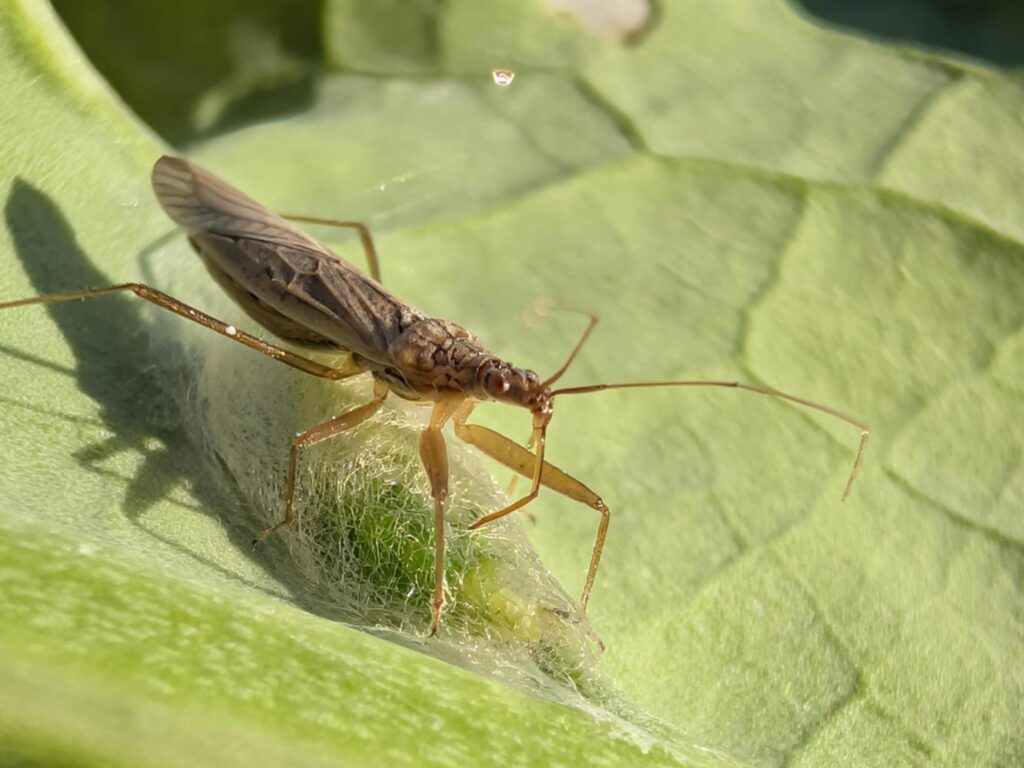
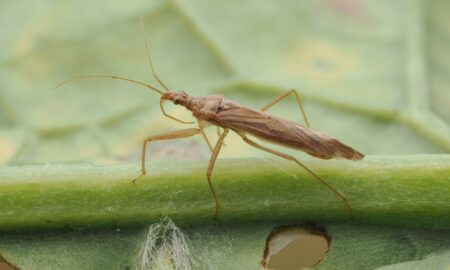
Damsel bugs are slender, light-brown predatory bugs about 8–12 mm long. They have a narrow head, large protruding eyes and long antennae. Their fine, curved mouthpart (called a stylet!) is usually tucked underneath their body when they are not feeding.
Damsel bugs are commonly found in the canopy of a range of crops across most of Australia. They are fast-moving and can flee when disturbed, so don’t be surprised if one disappears when you get too close.
A bug that eats other bugs
Despite having piercing-sucking mouthparts like many bug pests, damsel bugs don’t feed on plants. Instead, they use their stylet to pierce their prey and suck out its internal fluids.
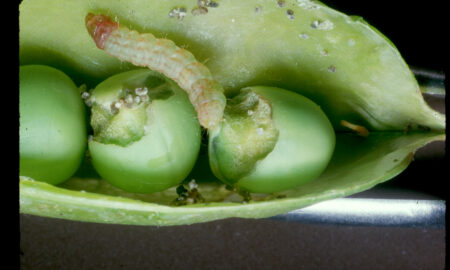
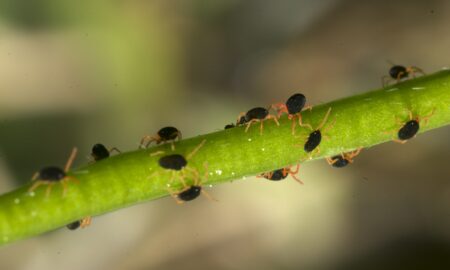
Their prey can include aphids, caterpillars, moth eggs, leafhoppers, mites and mirids. That makes a damsel bug a welcome sight when you’re scouting, particularly coming into spring.
Easy to mistake for a pest
Damsel bugs can be confused with other insects. They have previously been mistaken for small moths such as Etiella behrii, and pest bugs such as Rutherglen bug.
The important thing is not to make the call based on a quick glance.
One of the easiest ways to distinguish a damsel bug from a pest bug is to look at its legs and mouthparts. Damsel bugs have well-developed legs that help them grasp their prey. Their stylet is also more prominent and faces further forward than in many pest bugs.
This spring, let your beneficials do some of the work
As pest activity picks up during spring, it can be tempting to reach for an insecticide ‘just in case’.
However, field researchers have noticed plenty of beneficial insect activity during this winter’s field work, including predators such as damsel bugs. These observations suggest there may already be a healthy community of natural enemies active in many crops.
With spring just around the corner, this is good news for crops. With plenty of natural enemies already active, crops could have a strong team of beneficial insects ready to help keep pest populations in check. For example, the damsel bug featured below was spotted feeding on an unsuspecting diamondback moth pupa.
Likewise, you can expect damsel bugs to help suppress native budworm (Helicoverpa punctigera) this spring by feeding on their eggs and small larvae, as well as aphids.
Where an insecticide is warranted, use the beneficials chemical toxicity table to check how different products may affect beneficial insects; some insecticide sprays can negatively affect predatory bug populations along with the pests.